Written by

Reading time:
9
Minutes
What Is Performance Design? (And Why DTC Brands Can't Scale Without It)
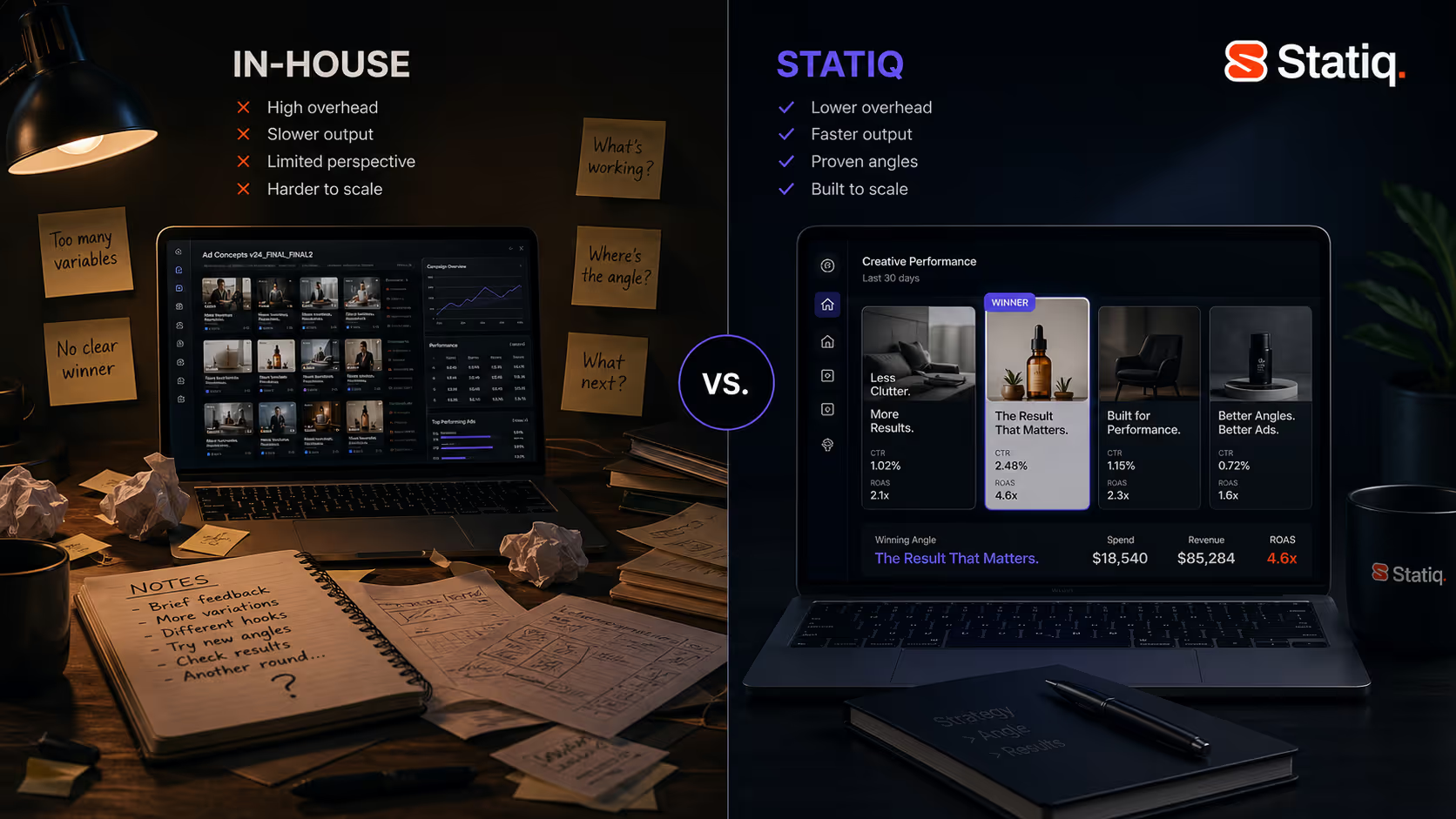
Most DTC brands think about design last. Colors, fonts, layout: the finishing layer on top of a concept that's already been decided. That's not performance design. That's decoration.
Performance design is a discipline. It starts before anyone opens a design file. It asks who the ad is for, what they already believe, and what they need to see: in what order, to move toward a decision. The visual is the answer to those questions. Not the starting point.
At Statiq, we've built this into every brief we write. It's the difference between an ad that looks right and an ad that works.
The Difference Between Design and Performance Design
Good design and performance design are not the same discipline. Confusing them is expensive.
Good design builds a brand platform. It creates visual consistency across every touchpoint: ads, packaging, website, social. It signals quality. It earns long-term trust. Brands we work with, like AG1 and HexClad need this. They're not building a short-term acquisition machine. They're building something people recognize and come back to for years. Good design is non-negotiable for that.
Performance design has a different job. It exists to move a specific person toward a specific decision, in a specific moment. It's not optimizing for brand equity. It's optimizing for what happens in the two seconds before someone decides to keep scrolling or stop.
The brief for good design starts with: how should this feel? What does this say about who we are?
The brief for performance design starts with: who is this person, what do they already believe, and what's the one thing they need to see to act?
Those are different questions. They produce different work. And an ad account filled with the first kind —beautiful, on-brand, visually consistent— can bleed budget for months without producing a single new customer.
The mistake most brands make isn't hiring bad designers. It's briefing for the wrong discipline.
When Design Is the Brief, Not the Answer
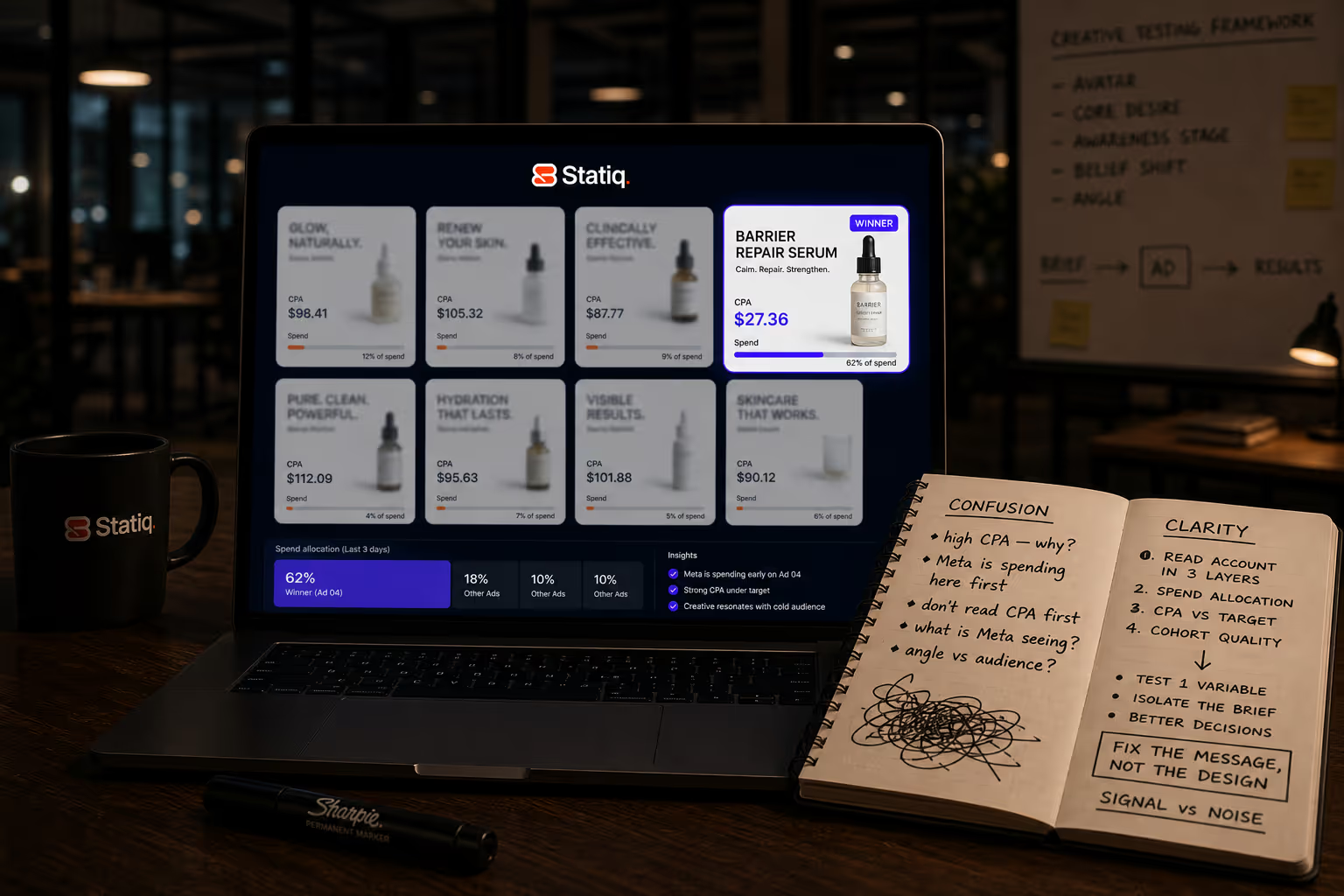
The consequence of confusing the two disciplines is concrete: Meta keeps spending and revenue doesn't move.
The algorithm rewards engagement: reactions, comments, watch time. It has no way to distinguish between an ad that entertains and an ad that sells. Both look identical from inside the platform. So if the brief produced something visually striking but built around the wrong question, Meta will spend behind it indefinitely. The metrics look strong. The business doesn't feel it.
This is what happens in practice: the team opens a file, applies the brand guidelines, ships something that passes internal review. The visual is the starting point. The audience is an afterthought.
At Statiq, the question on every brief isn't "does this look good?" It's: did we make good content, or did we make good content and a good ad? The first one Meta will spend on. The second one is the only one that matters to your business.
Performance design inverts the process. The visual is the last decision. Everything before it —the avatar, the awareness stage, the belief shift, the angle— determines what the design needs to do. The design answers those questions. It doesn't ask them.
What a Performance Design Brief Actually Looks Like
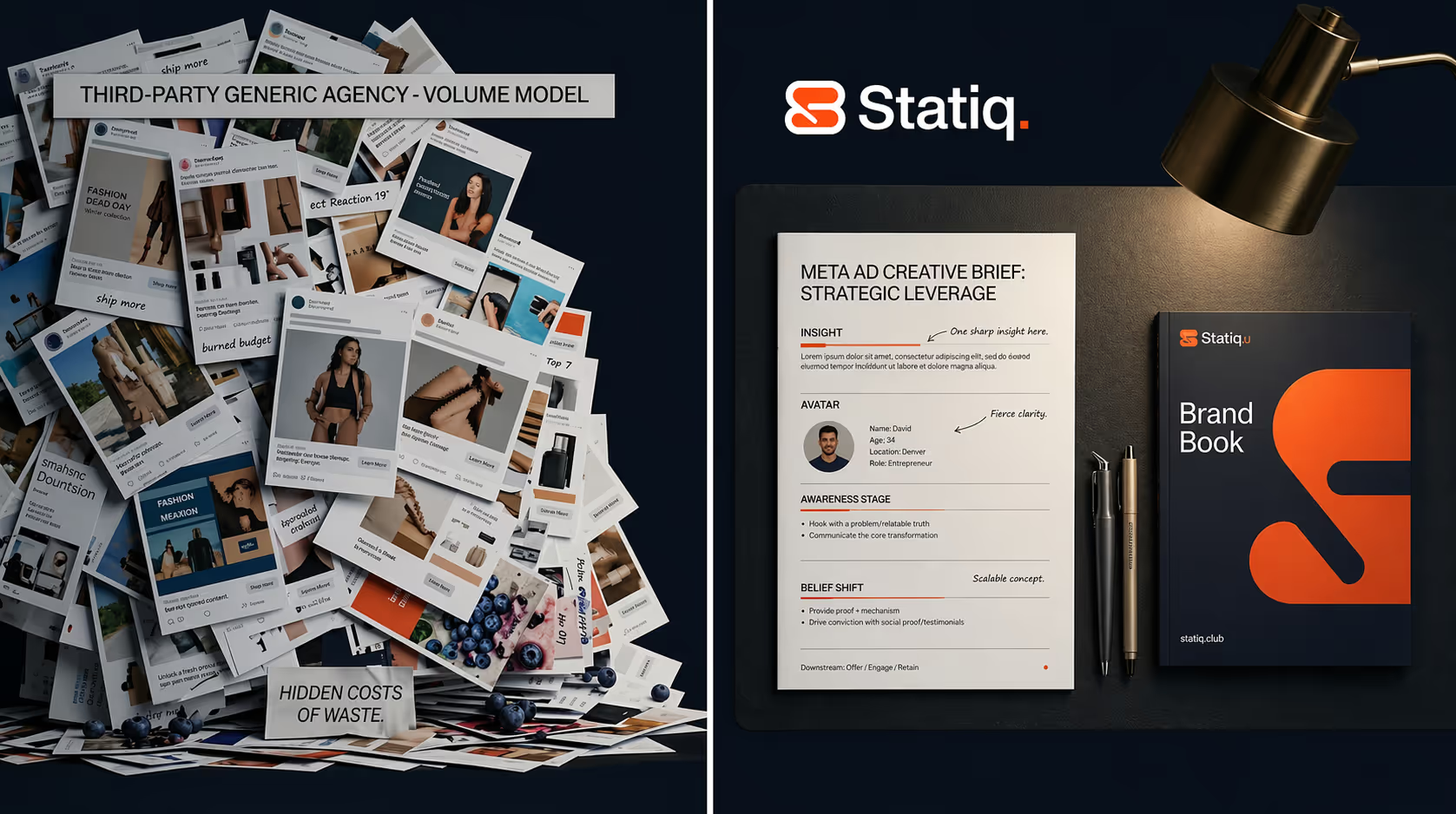
Most creative briefs start in the wrong place. They open with brand guidelines, reference images, color palettes. By the time someone writes a headline, the visual language is already decided, and it's decided based on what the brand looks like, not what the audience needs to see.
A performance design brief starts with five questions.
- Who is this person
Not "our customer," but a specific individual. Age, what they struggle with daily, what they've already tried and why it didn't work. - What is their core desire
Not what they'd say in a survey, but what they actually want. Usually it's a feeling, not a feature. - What is their awareness stage
Do they know they have the problem? Do they know what's causing it? Do they know solutions like yours exist? The answer to this changes everything about what the ad needs to say first. - What belief do they need to shift
The one thing they need to stop believing, or start believing, before they'll buy. - Only then: what is the angle
The entry point. Where in that person's day does this ad find them, and what does it say first.
Most briefs we receive go straight to that last question. They lead with the product, the claim, the offer. They skip the first four, which means the design that follows is built for the wrong person, at the wrong moment, saying the wrong first thing.
The visual can be flawless. It won't matter.
The Typography Example: When Design Becomes Argument
Performance design isn't abstract. It shows up in specific decisions: what goes in the frame, in what size, in what order.
A supplement brand we work with was running standard category creative. Clean photography, product front and center, benefit claims in the headline. On-brand. Unremarkable. Performing at baseline.
We rebuilt the brief from the awareness stage up. The unaware customer knew they felt foggy and depleted, they didn't know their stimulant use was the cause. That gap became the entry point.
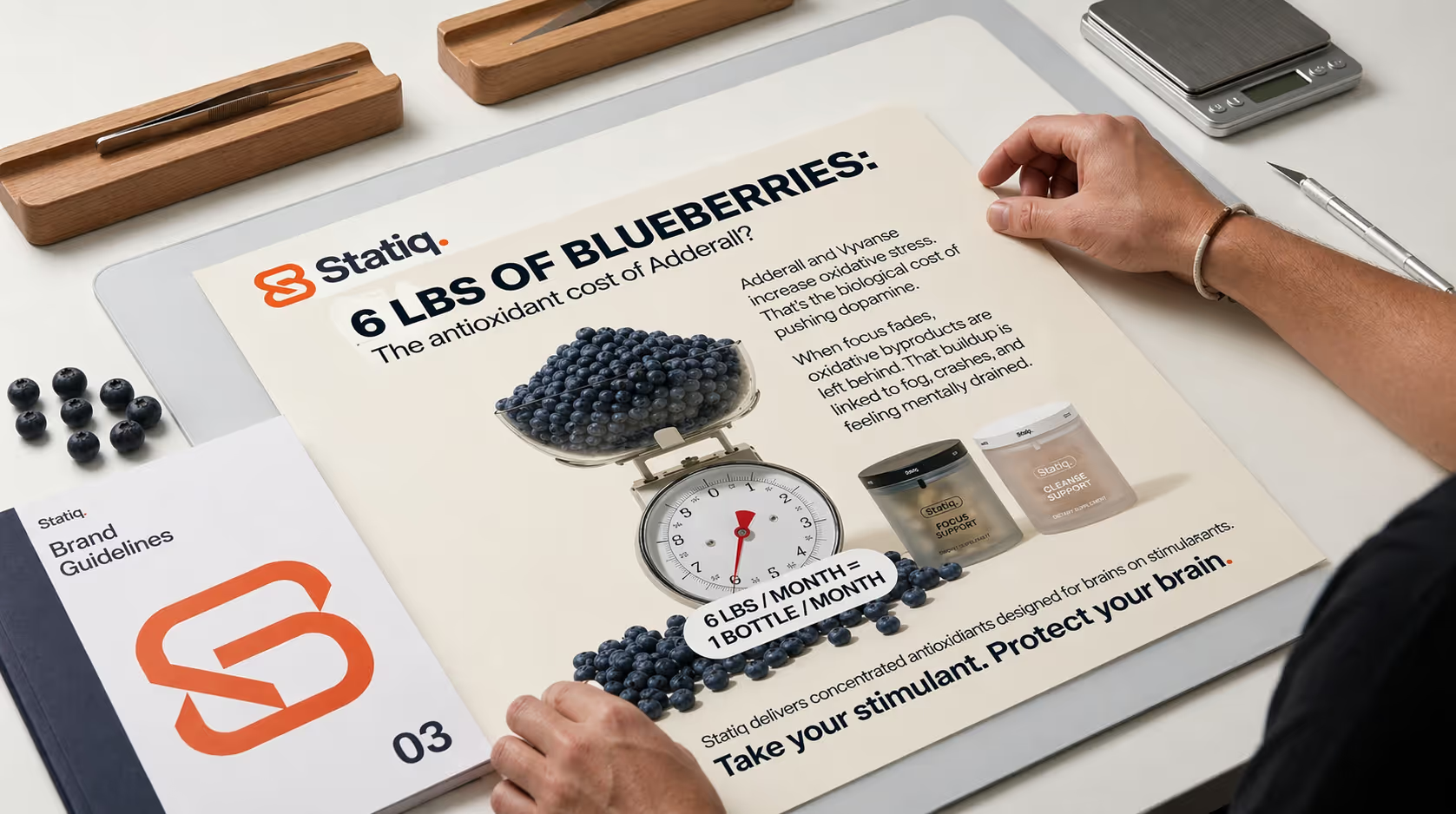
The ad opened with: "6 LBS OF BLUEBERRIES:" oversized, bold, no context yet. The analogy stops the scroll before the product is mentioned. One size smaller, in regular weight: "The antioxidant cost of Adderall?" The question arrives after the data, not before. Inside the image: "6 LBS/MONTH = 1 BOTTLE/MONTH" the equivalence that turns the analogy into a purchase decision. At the bottom, after all of that: "Take your stimulant. Protect your brain."
The shortest line in the ad lands last. It earns its place because everything above it built the argument.
Five weeks after shifting to this approach, that client's CAC was running consistently below their testing baseline. Not because we shipped more ads. Because a designer controlled the order in which the argument landed.
That's performance design. The visual isn't decoration. It's the argument itself, sequenced deliberately, line by line.
Is Your Agency Doing Performance Design or Art Direction?
The easiest way to tell: look at what gets approved internally before it reaches you.
Art direction optimizes for internal approval. The creative goes through brand, legal, leadership. Everyone has an opinion. The edges get sanded down. The headline that was uncomfortable becomes safe. The visual that was unexpected becomes familiar. By the time the ad ships, it looks exactly like what the brand has always looked like, and exactly like what the category already runs.
Performance design optimizes for the audience. That means shipping work that makes internal stakeholders uncomfortable, because the audience isn't internal stakeholders.
Snoozy, a wellness gummy brand, came to Statiq with a problem: their creatives weren't consistent enough to scale, and testing was slow. Every competitor in wellness runs some version of clean photography, calming colors, clinical copy. We made "FOR THE H*GH AND HORNY" and put it in front of their audience.
Most agencies would have killed that headline before it reached the client. It went on to become one of Snoozy's strongest performers: multiple tens of thousands in spend, CPA dropping as it scaled.
Three signals that your agency is doing art direction, not performance design: every ad they produce looks like it belongs in your brand guidelines, every concept they present has already been risk-assessed for internal comfort, and the briefs they work from start with references to existing creative rather than a description of the audience.
If any of that sounds familiar, we'd be happy to take a look. Let's talk.